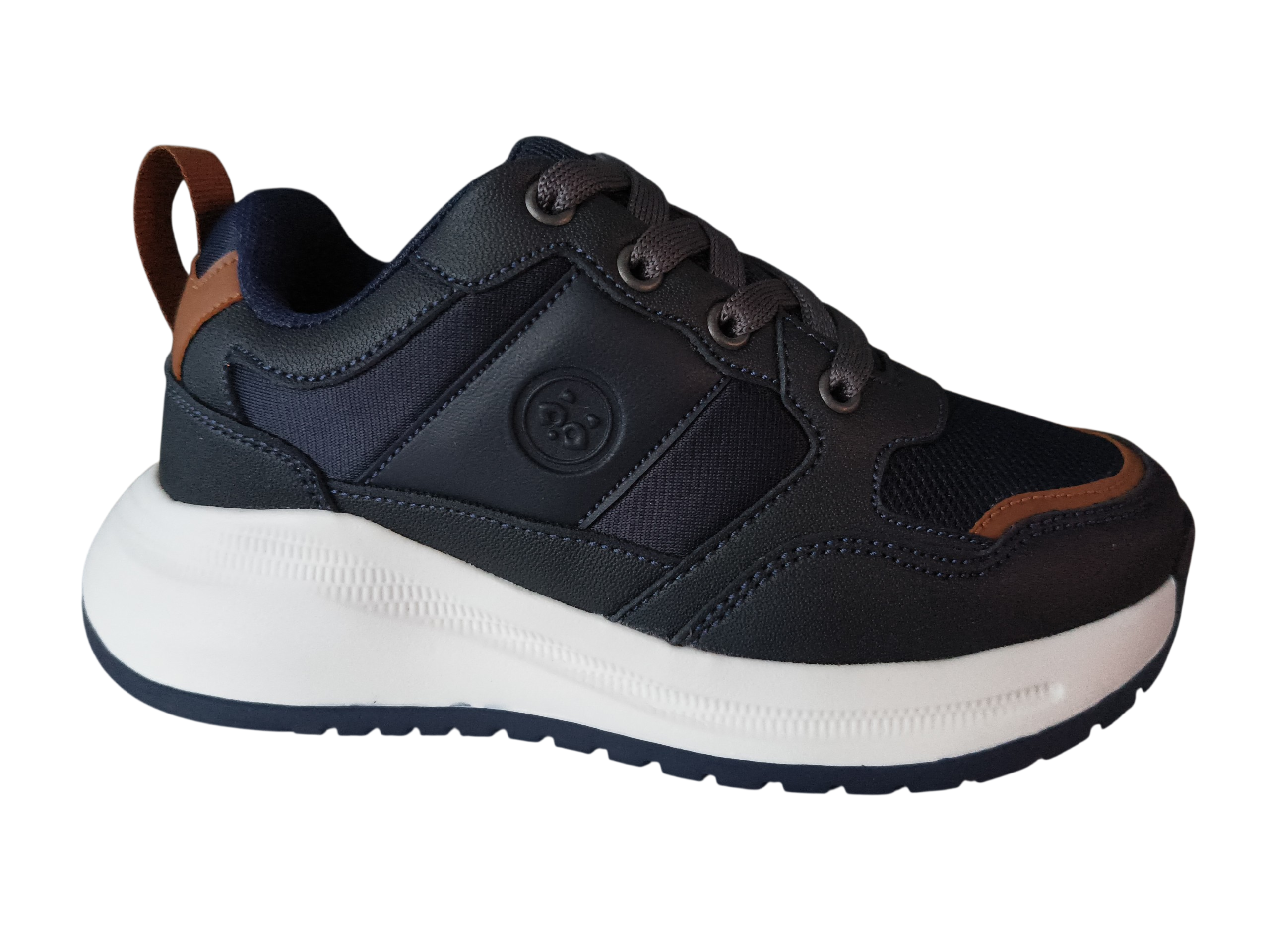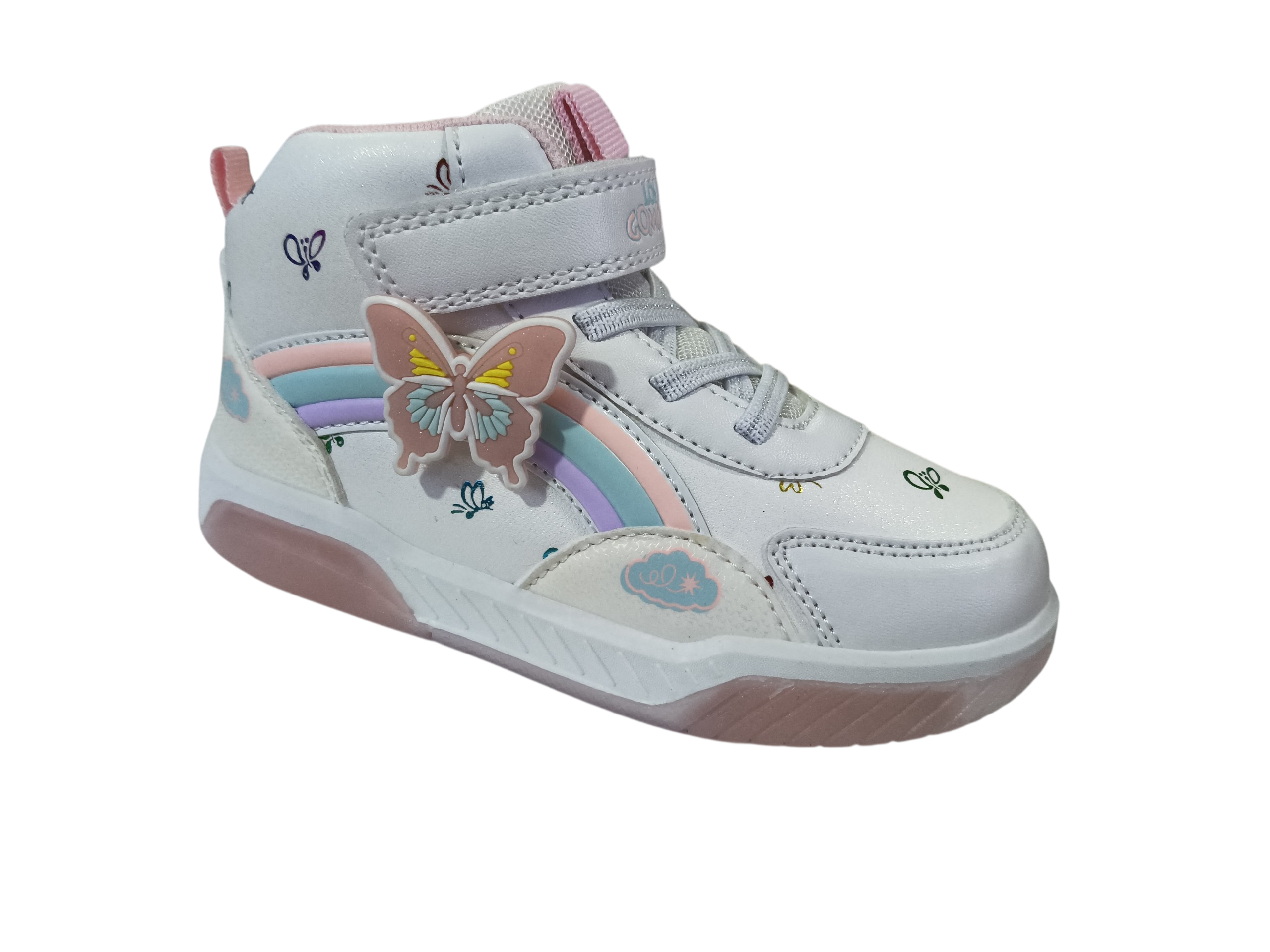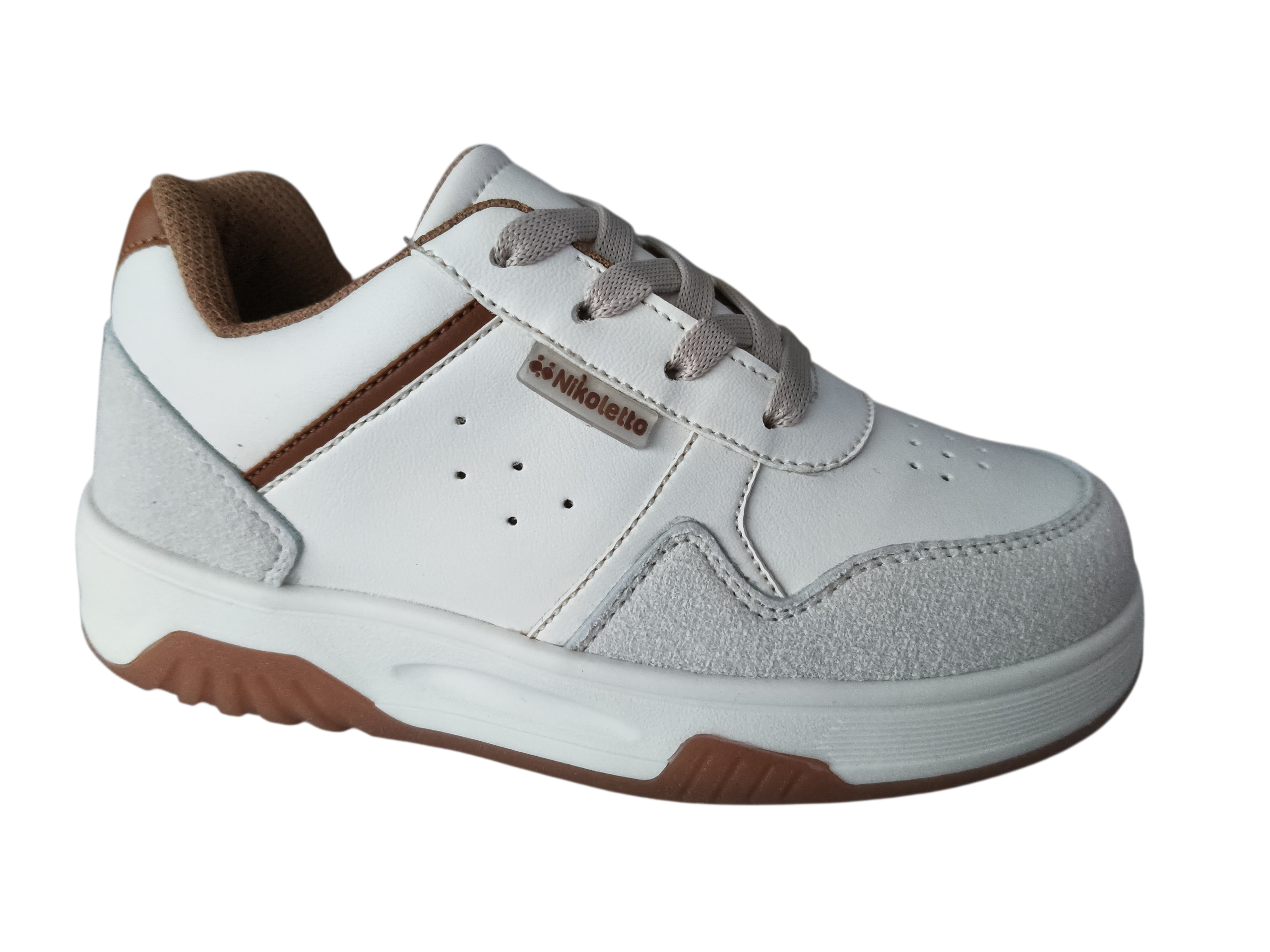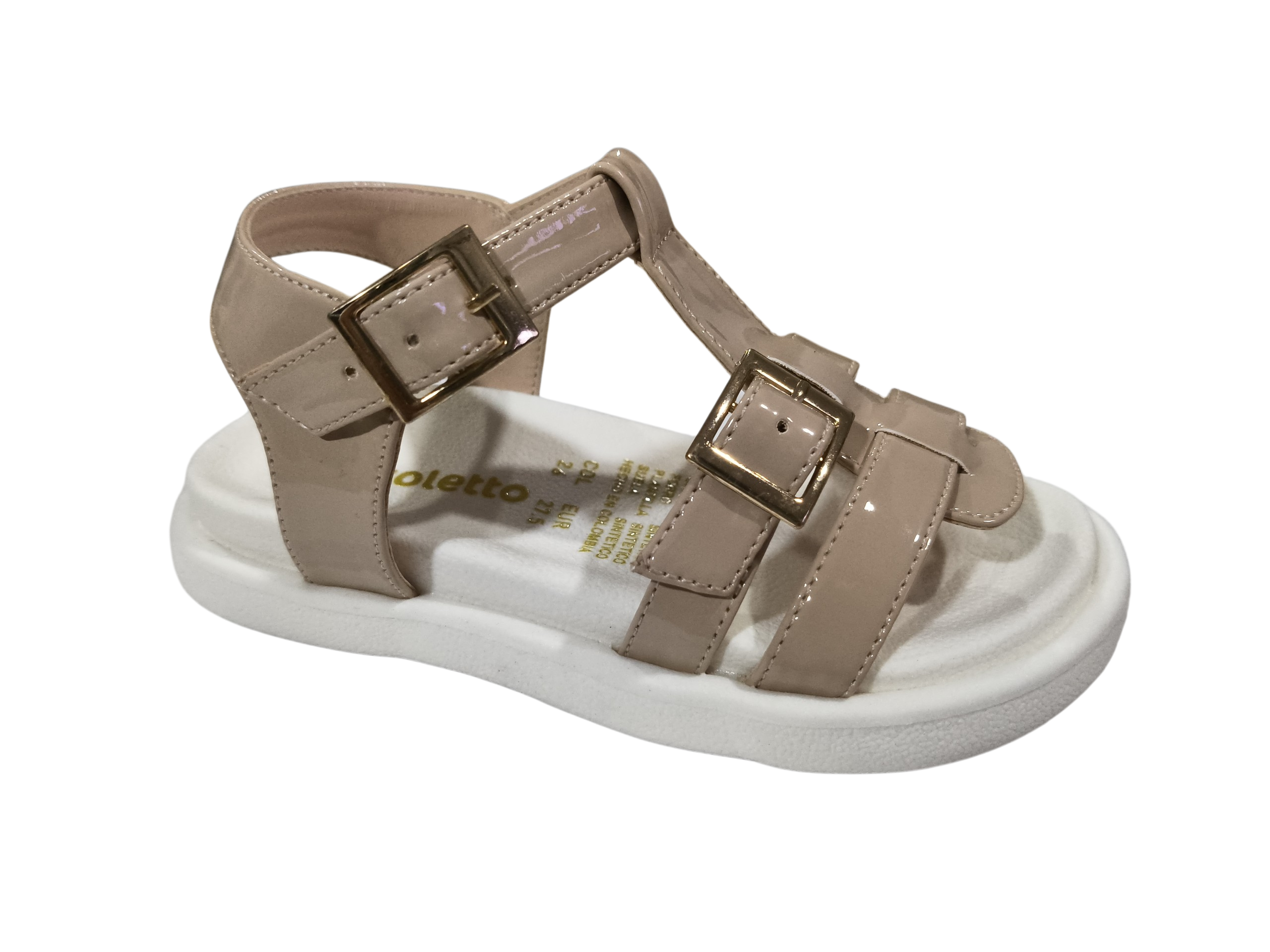
- Innovative design featuring lola jack explores future fashion trends and textile artistry
- Deconstructing the Aesthetic: Origins and Influences
- The Role of Material Innovation
- Embracing Asymmetry and Unconventional Silhouettes
- Deconstructed Tailoring
- The Influence of Digital Art and Virtual Fashion
- NFTs and Fashion Ownership
- Sustainability and Ethical Considerations
- Future Trajectories: Personalization and Adaptive Design
Innovative design featuring lola jack explores future fashion trends and textile artistry
The fashion landscape is constantly evolving, driven by innovative designs and a relentless pursuit of new aesthetics. Within this dynamic realm, the concept of lola jack represents a particularly intriguing intersection of artistry and forward-thinking style. It’s not merely a trend; it signifies a shift in how we perceive and interact with clothing and personal expression. This evolving style moves beyond simply adorning the body and delves into the creation of wearable art, a fusion of tradition and avant-garde elements.
This approach prioritizes individuality and challenges conventional fashion norms, encouraging a more deliberate and expressive approach to wardrobe choices. The influence of technology and global cultural exchange plays a significant role in shaping these novel aesthetic directions, creating a space for designers to experiment with materials, silhouettes, and functionalities. Ultimately, this perspective aims to empower individuals to define their own style narratives, resulting in a more diverse and personalized fashion environment.
Deconstructing the Aesthetic: Origins and Influences
The aesthetic associated with the core ideas of lola jack isn’t born in a vacuum. It draws heavily from several historical and contemporary influences. A key precursor is the deconstructionist movement in fashion, popularized by designers like Rei Kawakubo and Martin Margiela, who challenged traditional notions of garment construction and finish. These designers intentionally left seams exposed, used unconventional materials, and played with asymmetry, creating garments that felt unfinished yet profoundly artistic. This deliberate imperfection paved the way for a more experimental and individualistic approach to style. Furthermore, the rise of streetwear and its emphasis on self-expression, customization, and borrowing from subcultures has undeniably contributed to this current movement. Streetwear champions a rejection of rigid formality and embraces a more fluid, adaptable aesthetic.
The Role of Material Innovation
Beyond design philosophies, material innovation is absolutely critical. The development of new fabrics and technologies allows designers to push the boundaries of what's possible. We're seeing increasing use of sustainable materials, such as recycled textiles and bio-based fabrics, not only for environmental reasons but also because they often possess unique textures and properties. Consider, for example, the emergence of mushroom leather or fabrics made from algae. These materials aren’t simply replacements for traditional leather; they offer entirely new aesthetic possibilities. Similarly, advancements in textile printing and digital fabrication allow for intricate patterns and personalized designs, further blurring the lines between clothing and art. The freedom to manipulate materials in unprecedented ways is a driving force in defining the future of fashion.
| Material | Characteristics |
|---|---|
| Recycled Polyester | Durable, versatile, reduces landfill waste. |
| Organic Cotton | Soft, breathable, environmentally friendly cultivation. |
| Tencel (Lyocell) | Sustainable, derived from wood pulp, moisture-wicking. |
| Piñatex | Leather alternative made from pineapple leaf fibers. |
The careful selection and innovative application of materials are not merely functional choices; they are fundamental to the aesthetic expression. The tactile qualities, drape, and visual texture of a fabric can dramatically alter the perception of a garment, elevating it from something purely utilitarian to a work of art. This focus on materiality underscores the artistic ambitions inherent in this style.
Embracing Asymmetry and Unconventional Silhouettes
A defining characteristic of this aesthetic is its embrace of asymmetry and unconventional silhouettes. Traditional garment construction often prioritizes balance and symmetry, but this approach actively subverts those expectations. Garments may feature deliberately uneven hemlines, off-center closures, or panels that are intentionally misaligned. This isn’t about sloppiness; it’s about creating visual interest and challenging the viewer's perception of form. The result is clothing that feels dynamic, unexpected, and imbued with a sense of individuality. Furthermore, the rejection of rigid structure extends to the overall silhouette. We see a move away from form-fitting garments towards looser, more fluid shapes that allow for greater freedom of movement and a more relaxed aesthetic. Draping, layering, and the incorporation of oversized elements are all common techniques used to achieve this effect.
Deconstructed Tailoring
Within this framework, tailoring takes on a unique form. Rather than striving for a perfectly polished finish, designers often deconstruct traditional tailoring techniques, exposing inner structures and emphasizing the process of construction. A jacket might feature exposed seams, unfinished edges, or panels of contrasting fabric. This isn't about a lack of skill, it’s a deliberate aesthetic choice. It invites the viewer to consider the garment not simply as a finished product but as a complex assembly of components. This approach also allows for greater customization and personalization, as elements can be easily altered or rearranged. It's about creating a garment that feels more connected to the wearer and reflects their individual style. The core idea centers on breaking down existing norms and creating something entirely new from the remnants of traditional methods.
The concept of deconstructed tailoring also extends to incorporating vintage and repurposed materials, breathing new life into existing garments and giving them a unique narrative. It's a sustainable approach that minimizes waste and adds character to the final design.
- Embracing unconventional proportions.
- Experimenting with layering and texture combinations.
- Utilizing repurposed and vintage fabrics.
- Prioritizing comfort and freedom of movement.
- Challenging traditional notions of beauty and perfection.
These principles aren't merely stylistic choices; they represent a fundamental shift in how we approach clothing and its relationship to the body. This aesthetic celebrates individuality and encourages wearers to express their unique personalities.
The Influence of Digital Art and Virtual Fashion
The rise of digital art and virtual fashion is having a profound impact on contemporary design. Virtual garments and avatars allow designers to experiment with forms and textures that are impossible to achieve in the physical world. This opens up a vast new realm of creative possibilities, unconstrained by the limitations of materials or gravity. Furthermore, the accessibility of digital design tools empowers a new generation of creators to participate in the fashion landscape. Anyone with a computer and an internet connection can create and share their designs, fostering a more democratic and inclusive environment. The lines between the physical and digital realms are becoming increasingly blurred, with virtual garments often being incorporated into real-life styling and photographic shoots. This fusion creates a sense of surrealism and challenges our perceptions of reality.
NFTs and Fashion Ownership
The emergence of Non-Fungible Tokens (NFTs) is revolutionizing the concept of fashion ownership. NFTs allow designers to create and sell digital garments as unique, verifiable assets. This not only provides a new revenue stream but also allows for greater control over their intellectual property. Wearers can purchase NFTs of virtual garments and showcase them on their avatars in the metaverse, creating a unique digital identity. The potential of NFTs extends beyond mere ownership; they also enable the creation of exclusive digital communities and experiences. Designers can offer limited-edition NFTs with access to virtual events, personalized designs, or other exclusive benefits. This is fostering a new level of engagement between designers and their audiences. This technological advancement also allows for greater transparency and traceability in the fashion supply chain.
- Research emerging digital fashion platforms.
- Explore the potential of NFTs for design ownership.
- Experiment with virtual garment creation software.
- Engage with digital fashion communities and events.
- Consider the ethical implications of virtual fashion.
The integration of digital technologies isn't simply a trend; it's a fundamental shift in the way fashion is created, consumed, and experienced. This is a paradigm shift, challenging the traditional structures of the industry and empowering both designers and consumers.
Sustainability and Ethical Considerations
Increasingly, designers are prioritizing sustainability and ethical practices in their work. The fashion industry has historically been associated with environmental damage and exploitative labor practices. However, there's a growing awareness of these issues and a demand for more responsible alternatives. Sustainable materials, such as recycled fabrics and organic cotton, are becoming more widely adopted, reducing the industry's reliance on environmentally harmful resources. Furthermore, designers are exploring innovative production methods, such as zero-waste pattern cutting and on-demand manufacturing, to minimize waste and reduce their carbon footprint. Ethical considerations also extend to labor practices. Brands are increasingly committed to fair wages, safe working conditions, and transparency in their supply chains. Consumers are also playing a role in driving this change by demanding more information about the origins of their clothing and supporting brands that align with their values.
The emphasis on sustainability is not just about reducing harm; it’s also about creating a more resilient and equitable fashion system. By investing in sustainable materials and ethical practices, we can ensure that the industry can thrive for generations to come.
Future Trajectories: Personalization and Adaptive Design
Looking ahead, we can anticipate several key trends shaping the future of fashion. Personalization will become even more prevalent, with designers leveraging technologies such as 3D scanning and artificial intelligence to create garments tailored to individual body shapes and preferences. Adaptive design, which incorporates flexible materials and adjustable features, will allow garments to adapt to changing body sizes and activity levels. This will reduce the need for frequent replacements and promote a more sustainable approach to clothing consumption. Furthermore, we'll see greater integration of technology into garments, with wearable sensors monitoring health and wellbeing, or smart fabrics changing color or texture in response to environmental stimuli. The possibilities are virtually limitless. The idea behind lola jack will likely evolve into a highly individualized experience.
Ultimately, the future of fashion isn’t just about aesthetics; it’s about creating clothing that is functional, sustainable, and deeply personal. This requires a holistic approach that considers the entire lifecycle of a garment, from design and production to consumption and disposal. The ability to merge artistic vision with technological innovation and ethical responsibility will be key to success in this rapidly evolving landscape. The future promises a fashion industry that is more responsive, inclusive, and attuned to the needs of both individuals and the planet.